At a time when the world finds itself fractured by wars, strained alliances, and escalating geopolitical tensions, the need for informed dialogue is no longer academic; it is urgent.
The Institute of Law, Nirma University is set to host ILNU MUN Chapter V, its flagship Model United Nations conference, on 27th, 28th & 29th March 2026. More than an academic simulation, the conference presents itself as a space where dialogue finds direction. Young individuals are no longer passive observers of global affairs, but active participants in conversations that shape them.
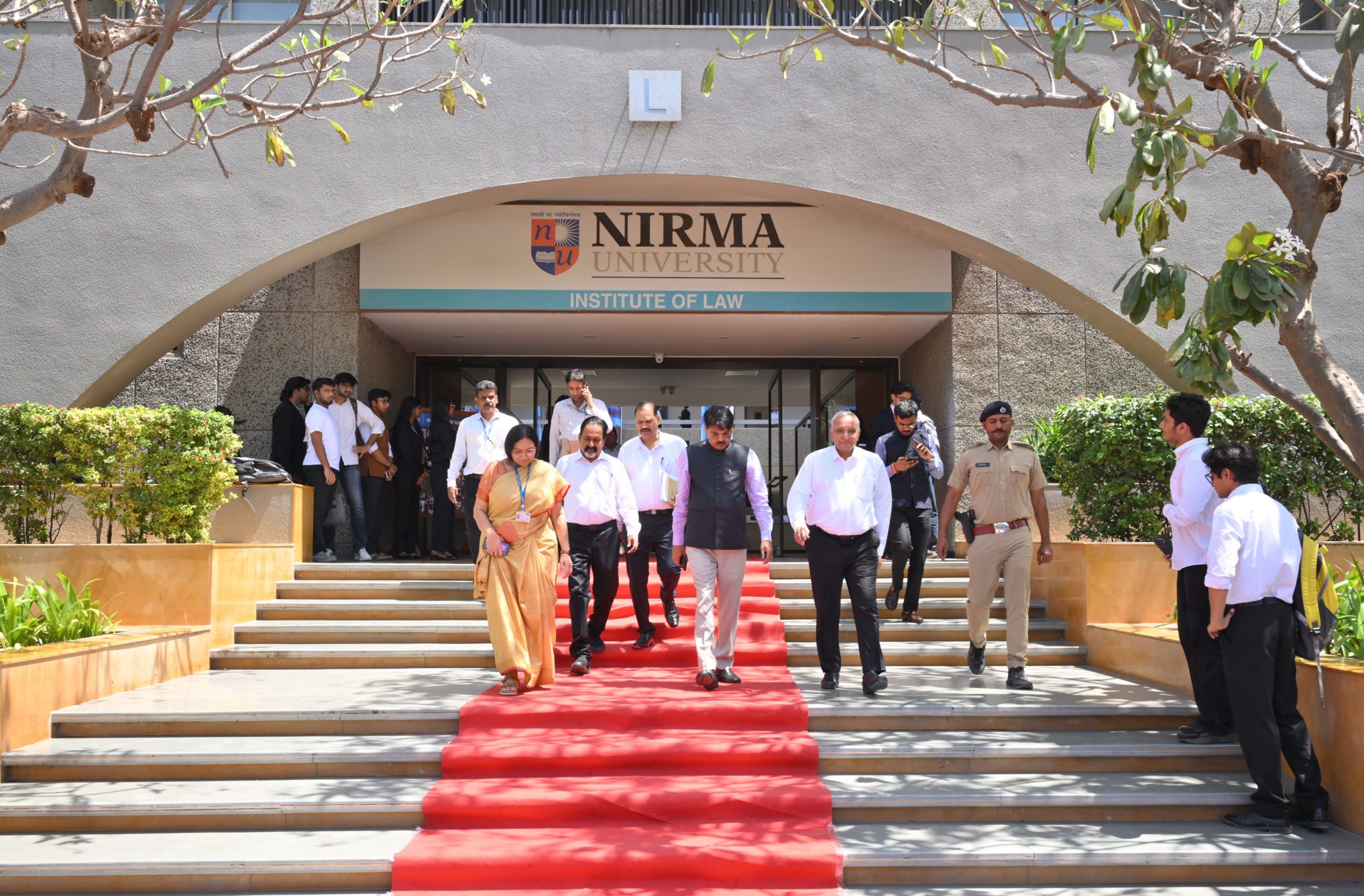
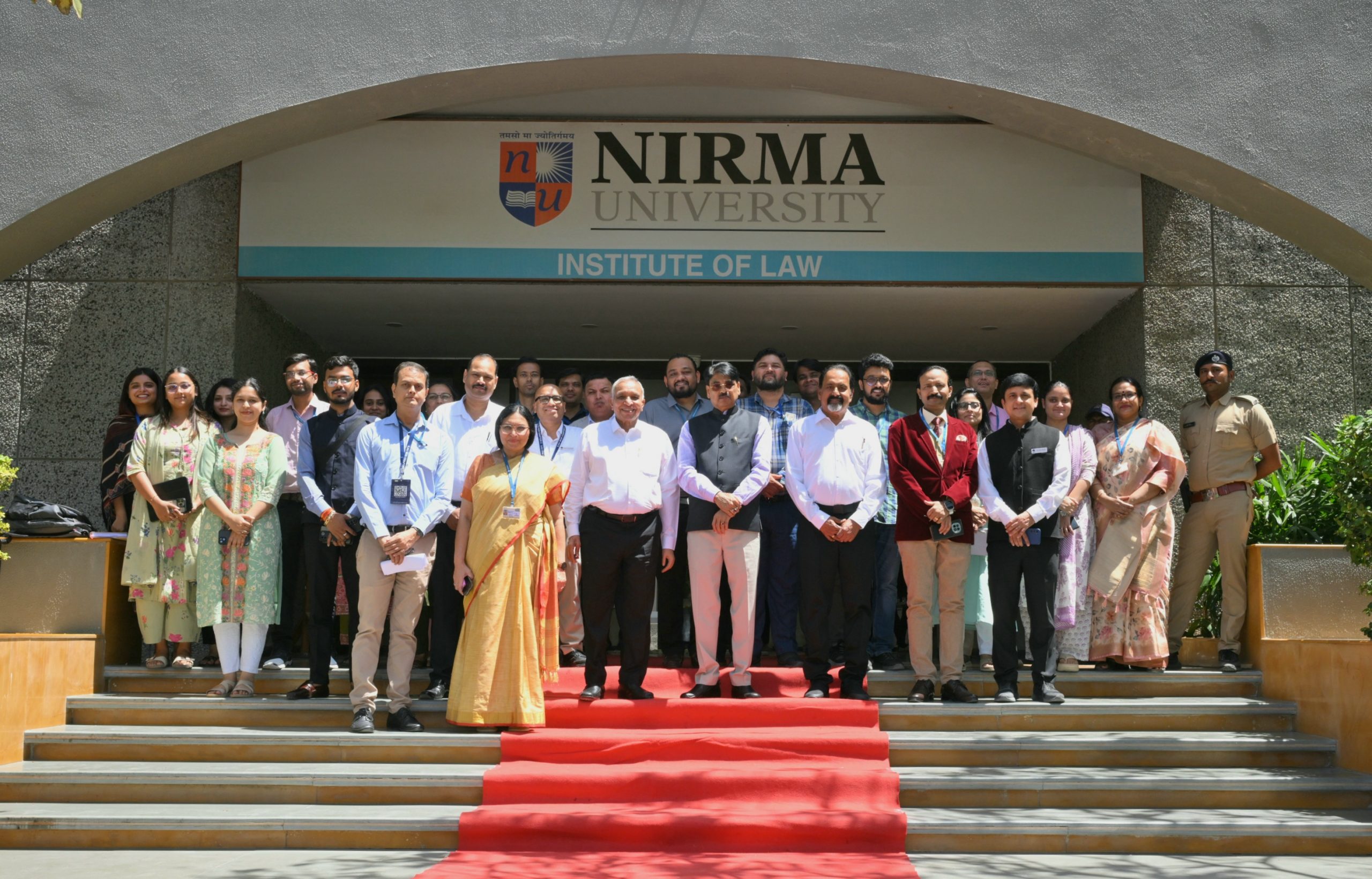
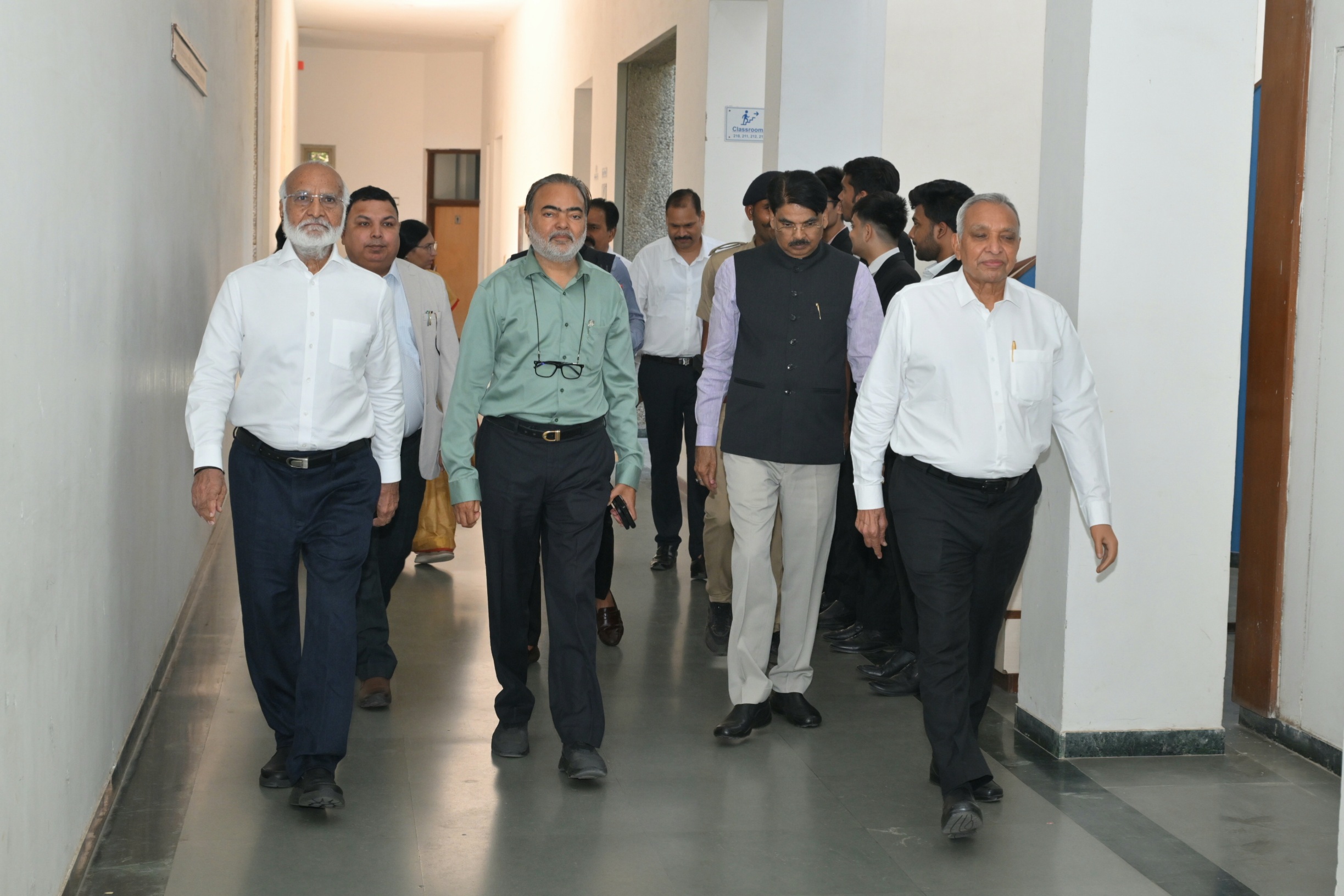
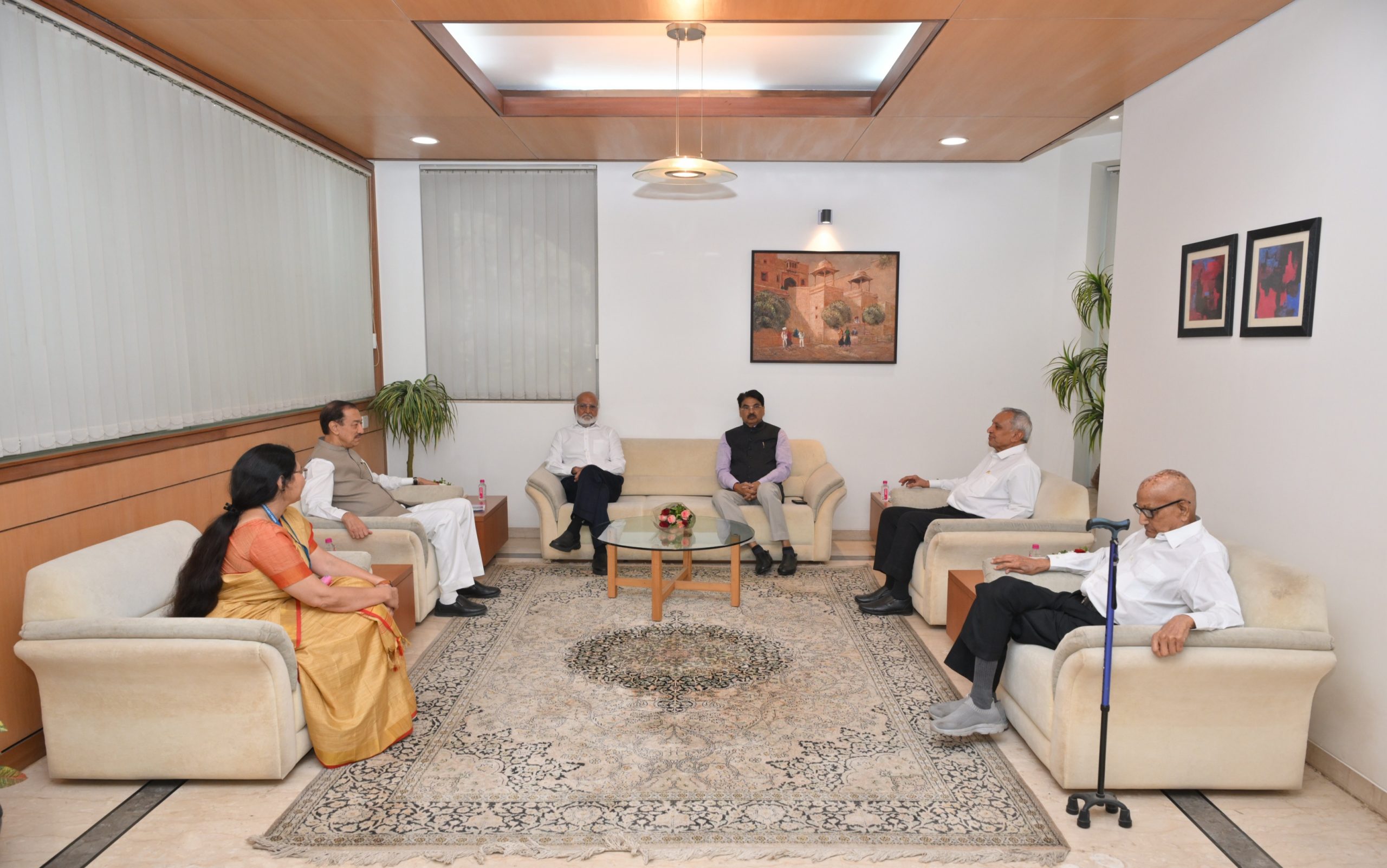
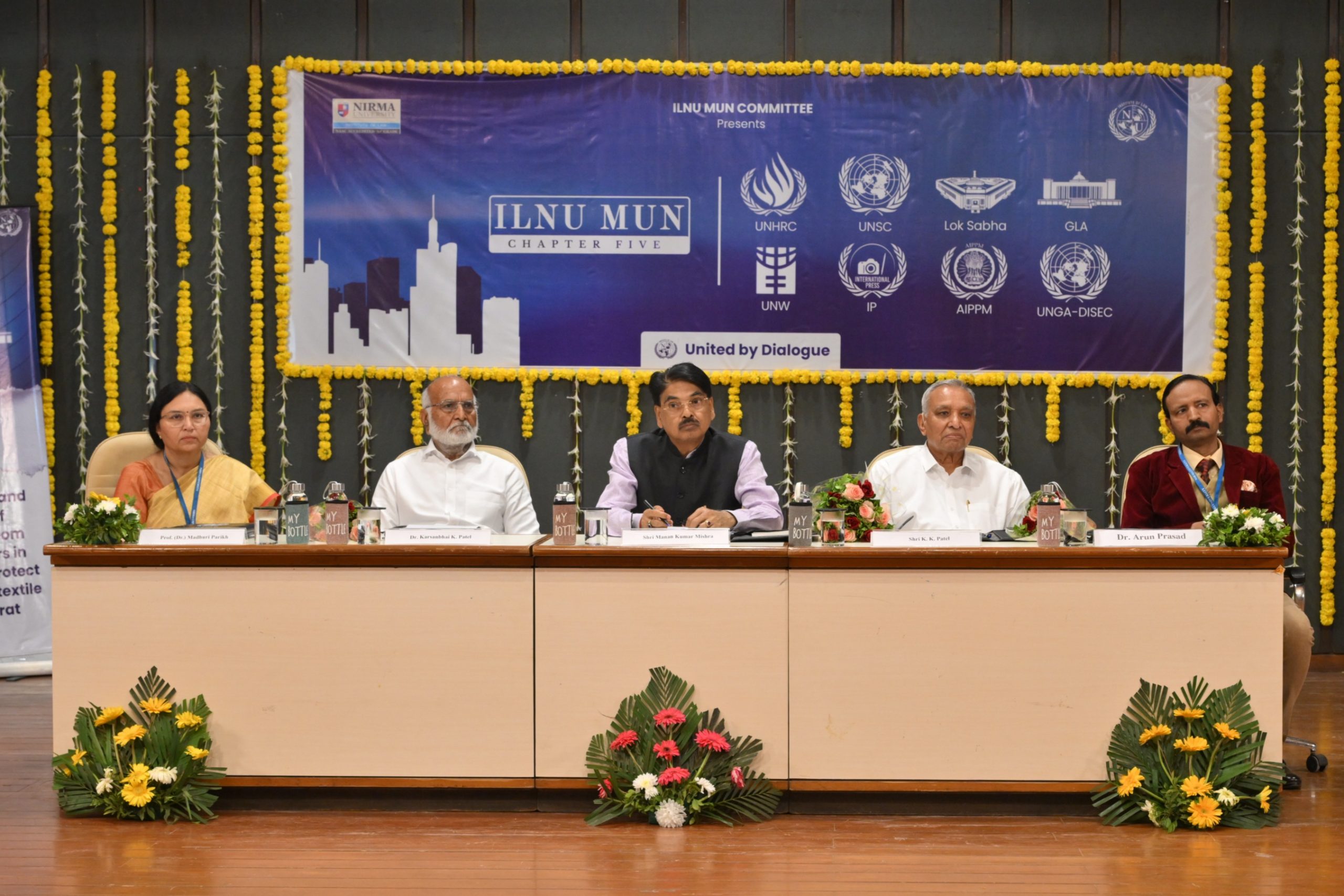
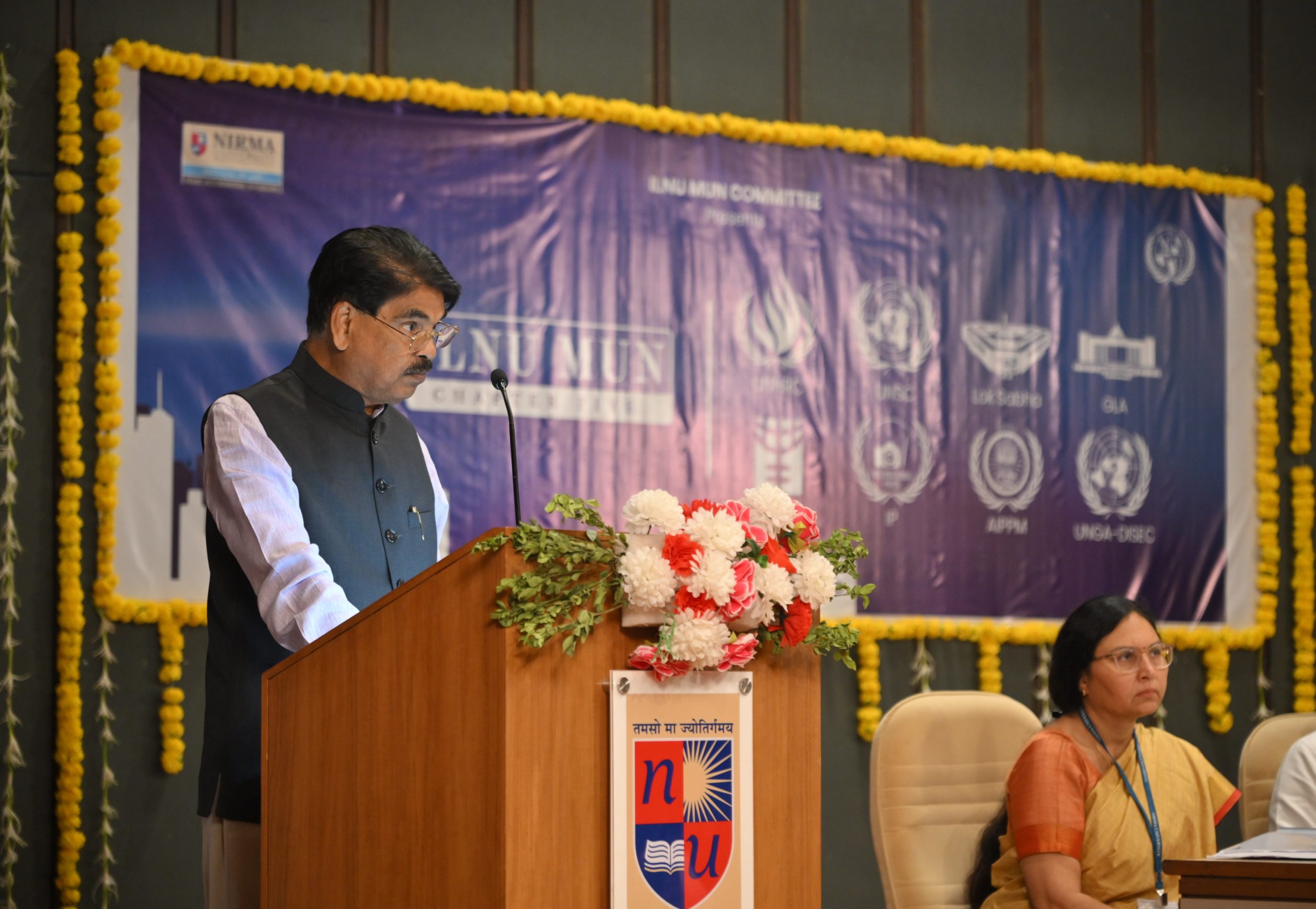
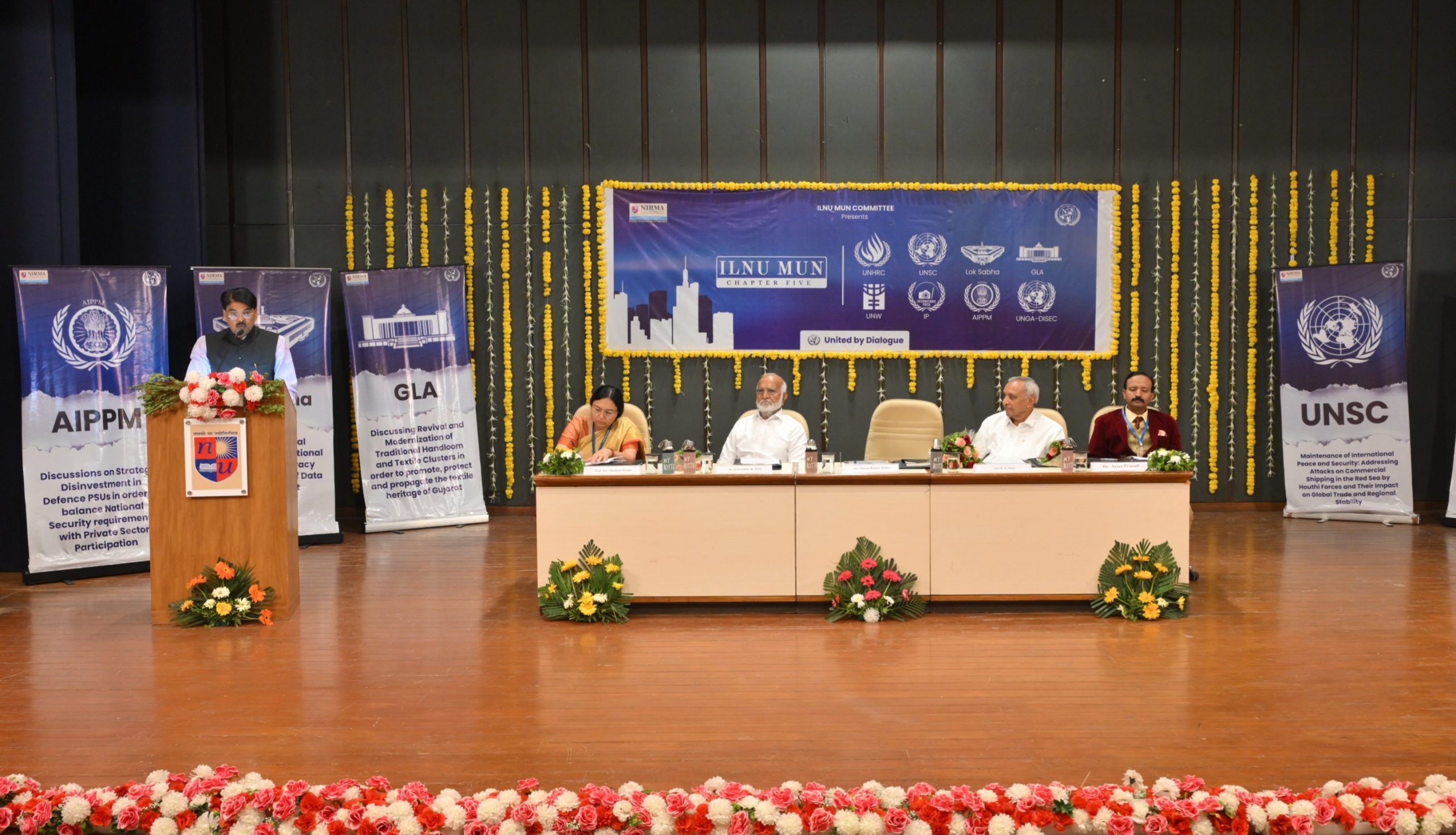
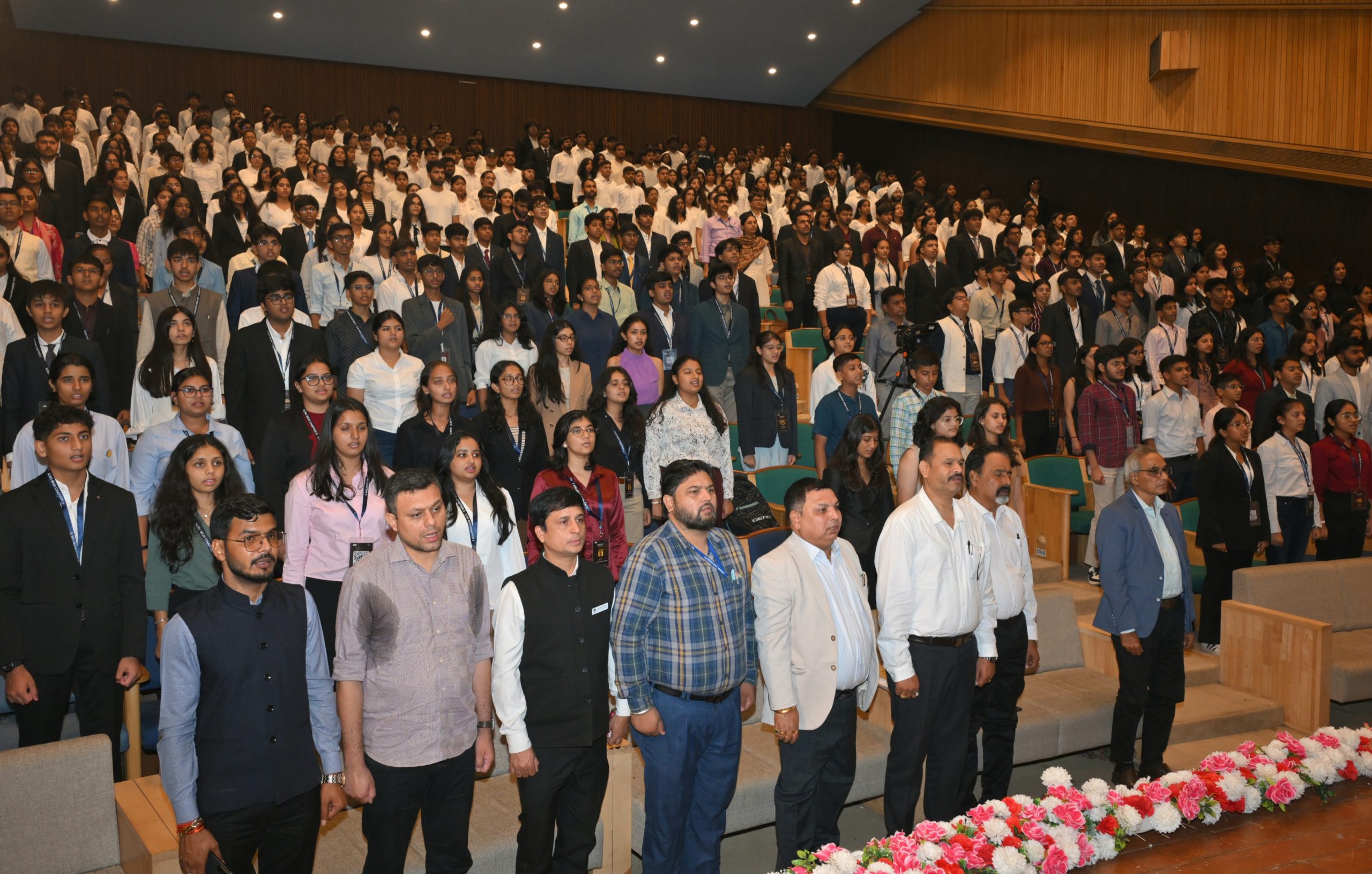
The inauguration ceremony was graced by the presence of Shri Manan Kumar Mishra, Hon’ble Chairperson of the Bar Council of India and Hon’ble Member of Parliament; Padma Shri Karsanbhai Patel; Shri Dr. K. K. Patel, Hon’ble Vice President of Nirma University; Prof. (Dr.) Madhuri Parikh, Director and Dean of the Institute of Law, Nirma University; and Prof. (Dr.) Arun Prasad, Area Head of Liberal Arts and Commerce, Institute of Law, Nirma University.
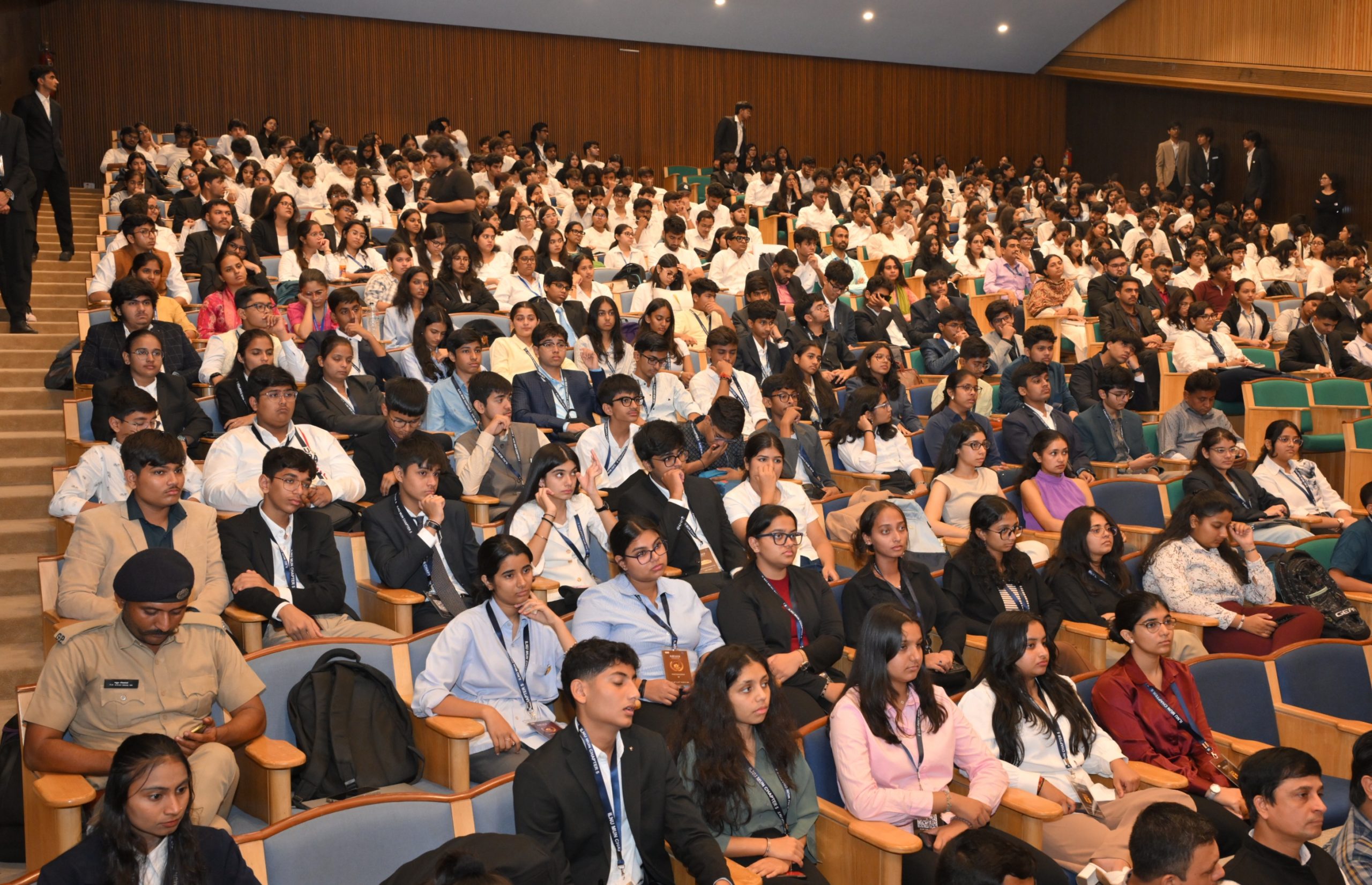
With participation from esteemed institutions across India, the conference reflects a growing culture of informed youth engagement in governance, policy, and international relations. Delegates will step into roles that demand more than preparation, calling for negotiation, articulation, and the ability to navigate complex perspectives.
This year’s edition features eight thoughtfully curated committees, offering a balanced blend of national and international discourse. The Indian committees include the Lok Sabha, All India Political Parties Meet (AIPPM), and the Gujarat Legislative Assembly (GLA), designed to reflect the depth and dynamism of India’s political landscape. On the global front, committees such as the United Nations Human Rights Council (UNHRC), United Nations Security Council (UNSC), United Nations General Assembly–DISEC, and UN Women (UNW) will engage delegates in incisive, policy-driven discussions on global political challenges and multilateral cooperation.
Equally significant is the inclusion of the International Press committee, which acknowledges a truth often overlooked: narratives, documentation, and scrutiny are as central to global politics as decision-making itself. What emerges is not just debate, but an ecosystem of thought, one where participants are expected to listen as much as they speak and understand as much as they argue.
ILNU MUN Chapter V stands out not just because of its scale, but because of its intent. Under the theme “United by Dialogue,” it makes a quiet yet powerful assertion: that even in a world increasingly defined by division, conversation remains a tool not of weakness, but of strategy and change.
As the Nirma University campus prepares to host this gathering, it is worth recognising that the value of such platforms lies not in the resolutions passed over three days, but in the kind of thinkers they shape: individuals who can listen, articulate, negotiate, and, perhaps most importantly, understand.
Because as the world inches further from understanding, these platforms bring it, even if briefly, back within reach.